11: Sea Otters

Updated: Apr 19
Dear Friend,
Happy Easter Day to you and yours. Thank you for being here to read Tracks by the Post! We know that there are many other things that you might otter be doing today.
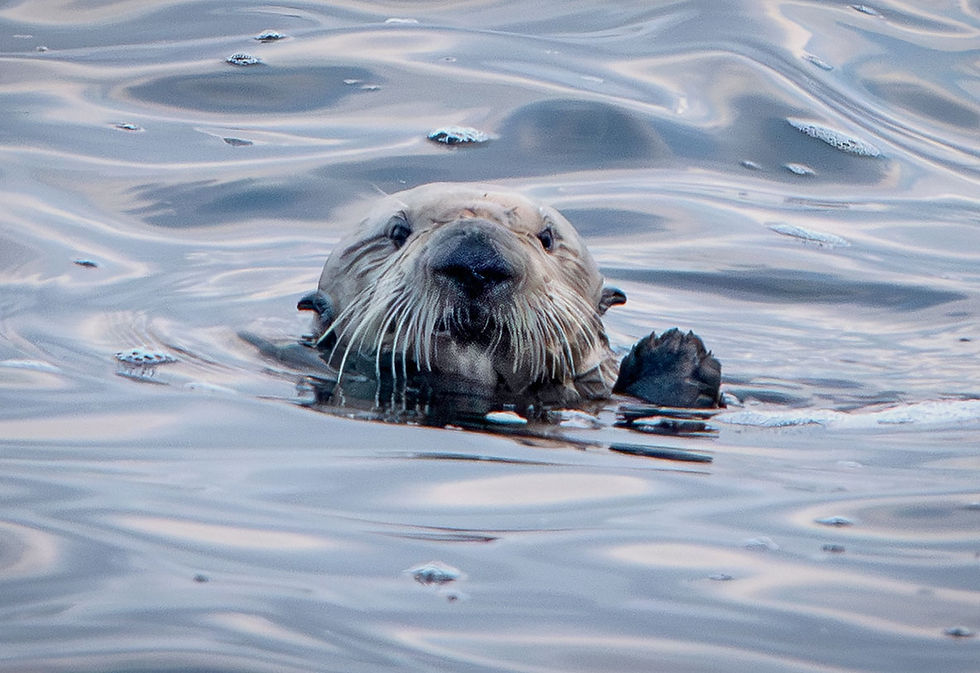
Aren’t Otters so cute? These are Sea Otters. (Hopefully, we can talk about River Otters in a future blog).
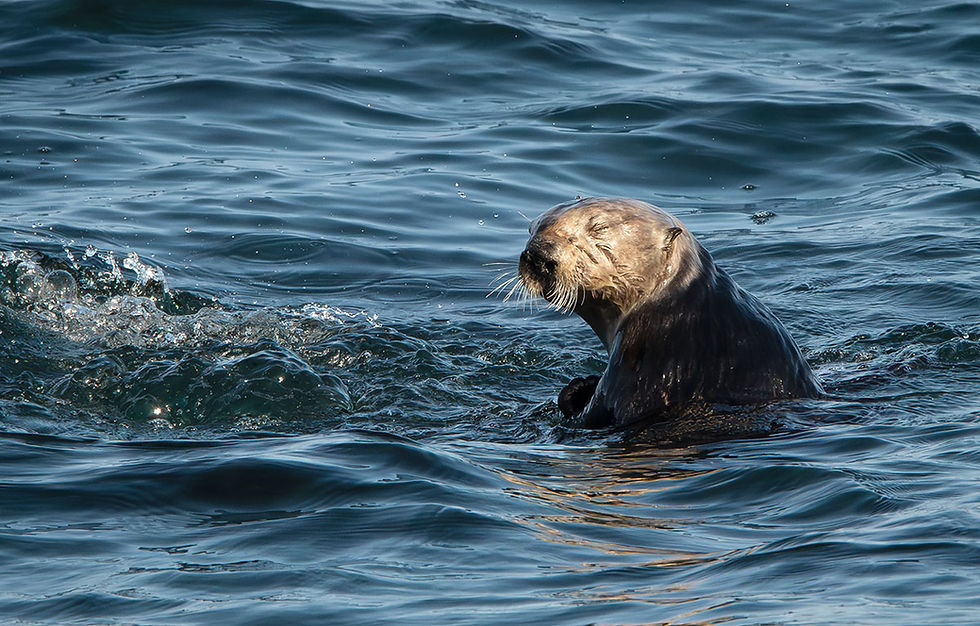
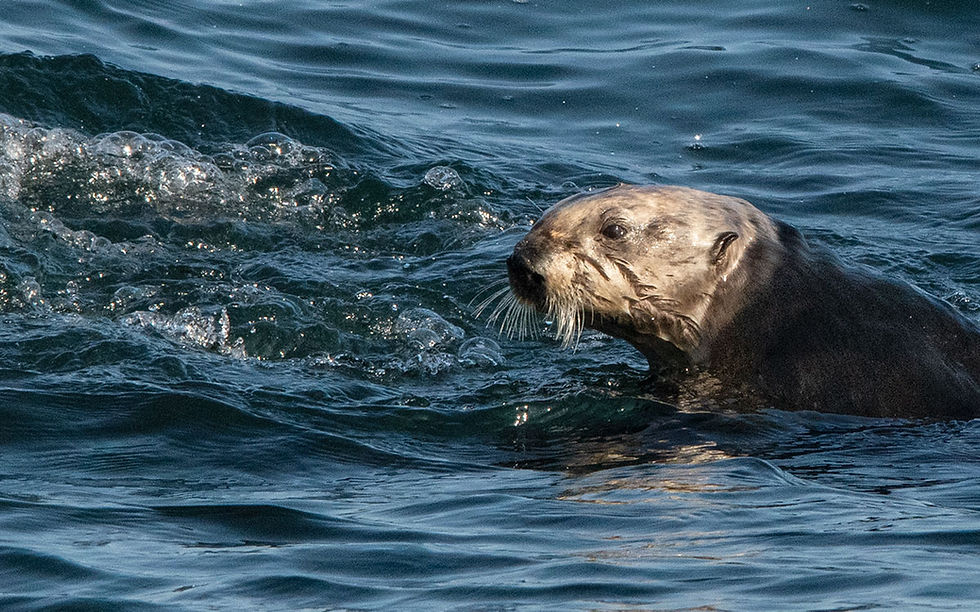
Sea Otters are social friends. They enjoy each other's company but have to spend a great deal of time hunting alone. They can be seen floating on their backs along the coast in the ocean or in groups among a (kelp) raft like this. They loop the kelp around their bodies so that they can snooze or eat without drifting away.
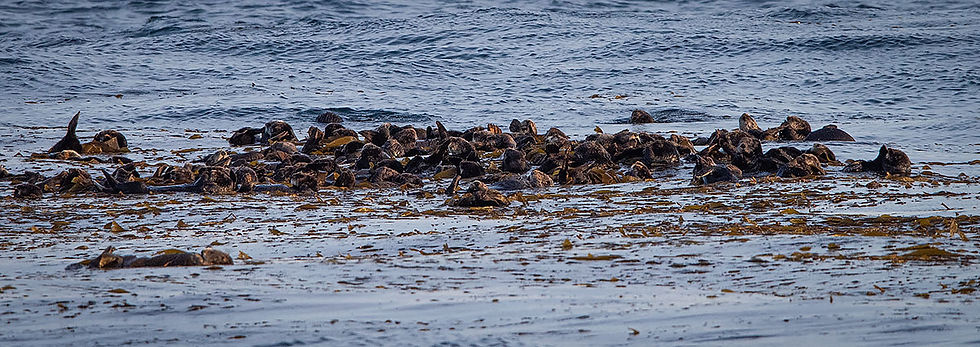
(Females stay together and males do too, so the rafts are rarely of mixed genders). There can be 100 or more Otters making up one raft.
Especially when there are predators or the ocean gets really rough, the pups are kept close, on their mother’s tummy.
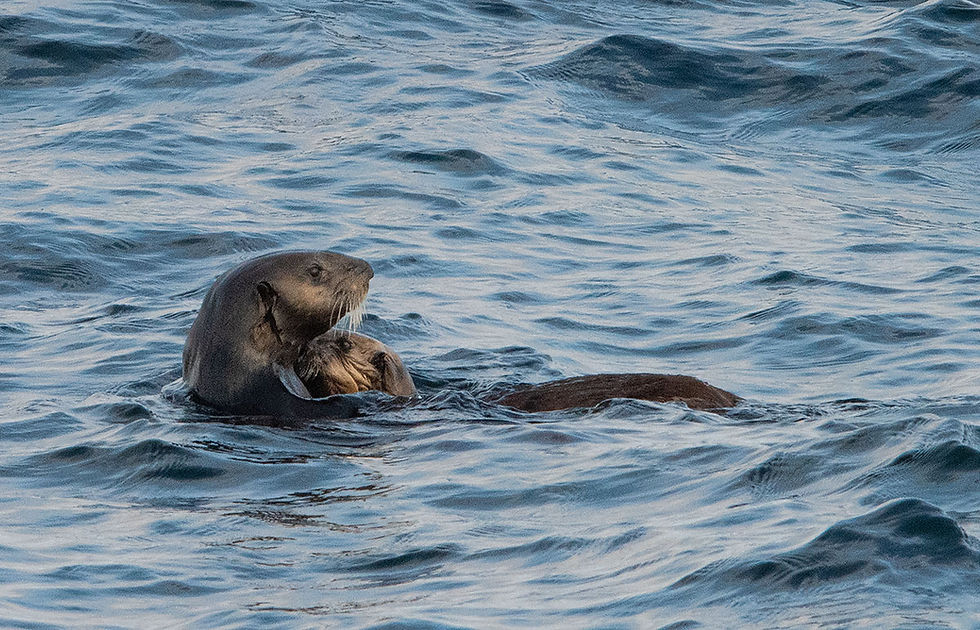
Sea Otter mothers are known to be exceptionally attentive. Usually, only one pup is born at a time, though multiple births are possible. Sea Otter pups come into the world wearing an extremely thick, buoyant coat. This is good, the majority of pups are born in the cold of winter, at sea and grow up in all sorts of waves and surf.
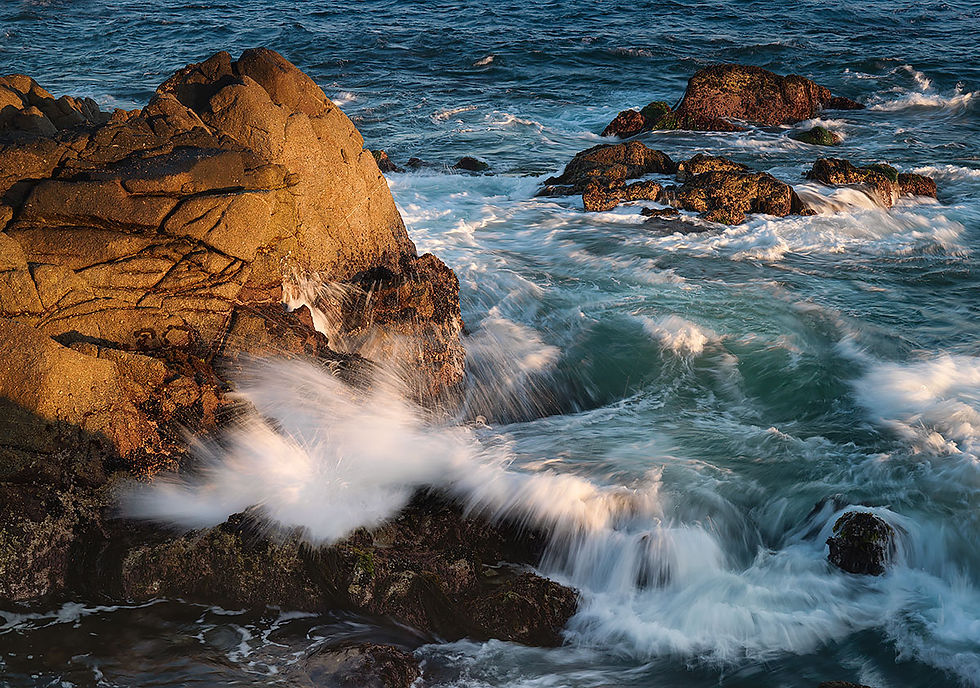
Because the pup’s thick coat is super buoyant, the mother can leave the pup to float so she can take a quick dive alone to hunt. She returns to the surface to gather her pup and to eat.
Sea Otters need to eat (up to) a third of their body weight in order to get the calories for staying warm and for having energy to hunt more, always more. Female sea otters weigh between 50 and 70 pounds. Males weigh between 80 and 110 pounds.
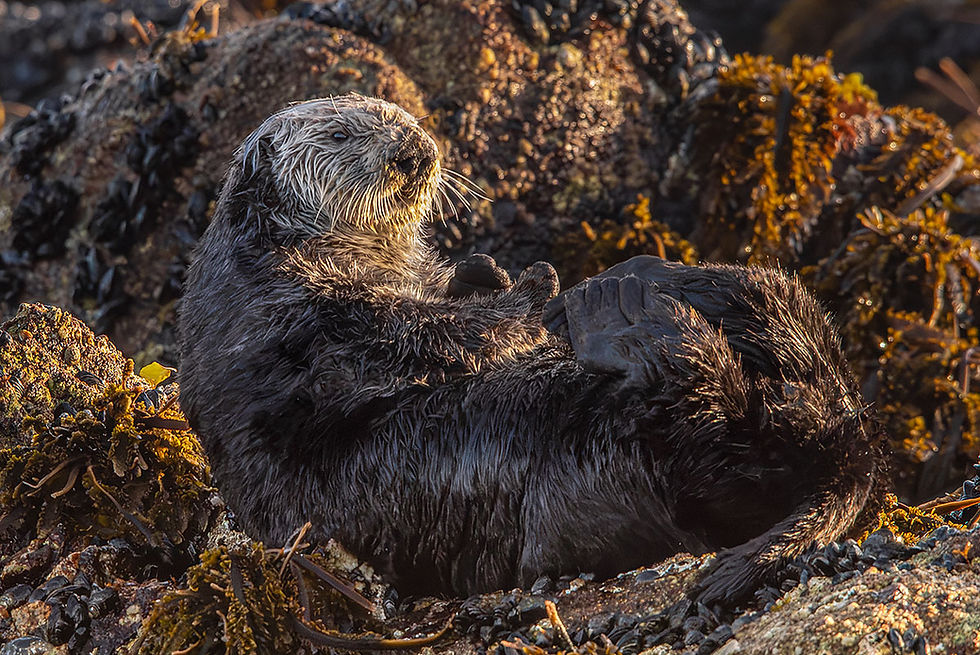
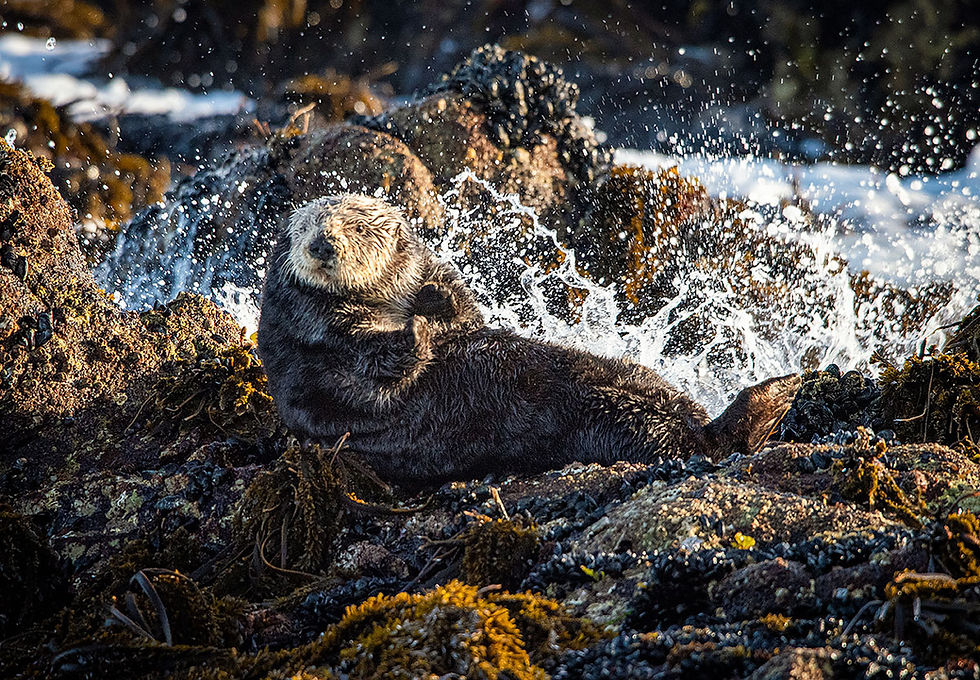
Sea Otters are usually seen in the ocean but they do venture out onto rocks and land to rest. Frank watched this otter hunting and eating for quite a while, it climbed up onto a rock and stretched out. It wasn't long before the otter was back in the water, hunting, again.
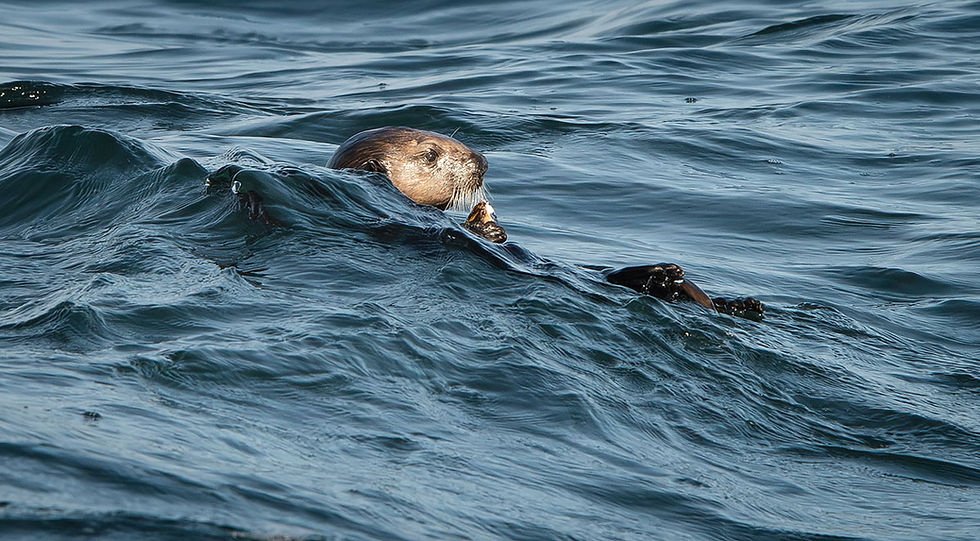
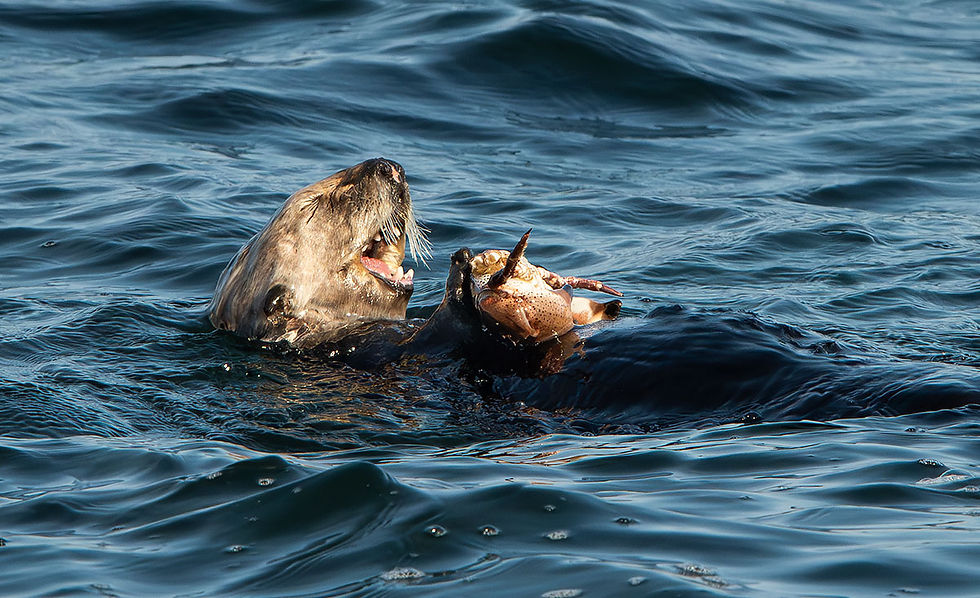
Here is some Easter Math: If you were a 60 lb sea otter, and you had to eat 25% of your body weight (15 lbs) in crabs, would people still think you’re cute?
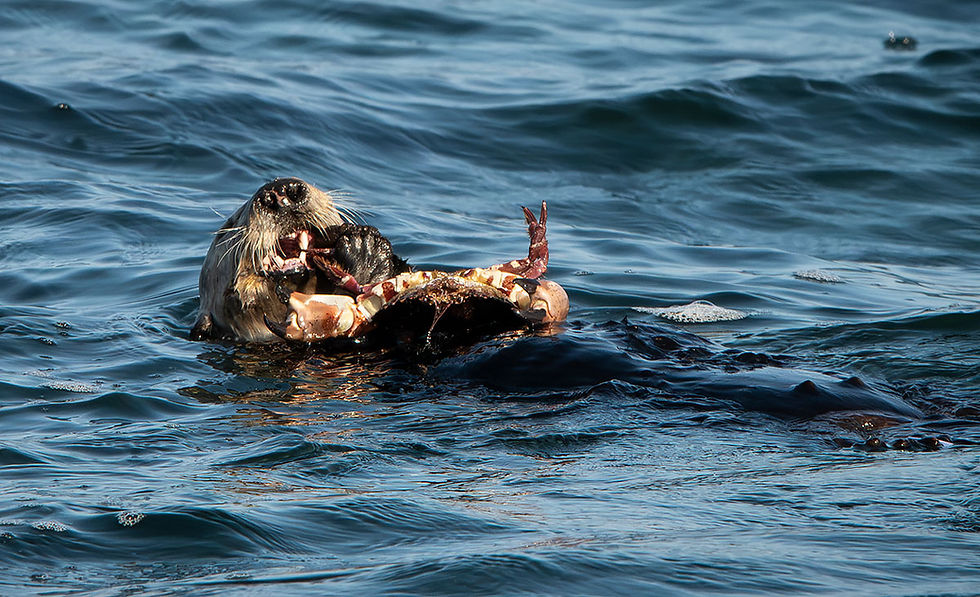
Let’s break this down into bite sized chunks. You need to eat 15 lbs = 240 ounces.
Since you will only glean 7 ounces of meat from a 1 lb crab, you’ll need to eat at least 34, 1 lb crabs every day. If you did, you’d be getting 6,650 calories and you’d need more than that if you were bigger, or you were feeding a pup.
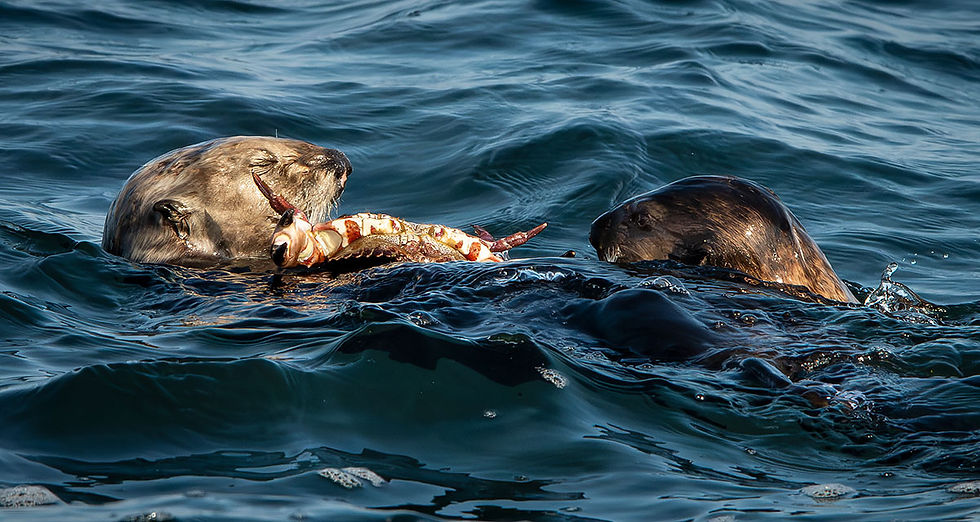
Luckily, there are other things to eat in the sea. I’ll spare you the macros of every sea creature out there, but sea urchins are plentiful, so, while you’re being a sea otter, it’s good to know that 1 medium sea urchin yields 25 grams of meat and around 42 calories. (As you know, 1 lb = a little under 454 grams, and remember you need to eat 15 lbs so, that’s 273 medium sea urchins for one, 60 lb sea otter, and you could be bigger or smaller than that).
Since you’re trying to get thousands of calories a day, you’ll be hunting for higher calorie eating, like clams and crabs but you’ll probably also be snacking on urchins all day.
Sea Urchins feed on kelp, making the hungry Sea Otter a hero in maintaining healthy kelp forests. I found an informative YouTube video put out by the Monterey Bay Aquarium called: The Secret Life of Sea Otters: Guardians of the kelp forest. (Link follows blog/letter).
Otter pups drink their mother’s milk for at least half a year, the milk is around 22% fat.
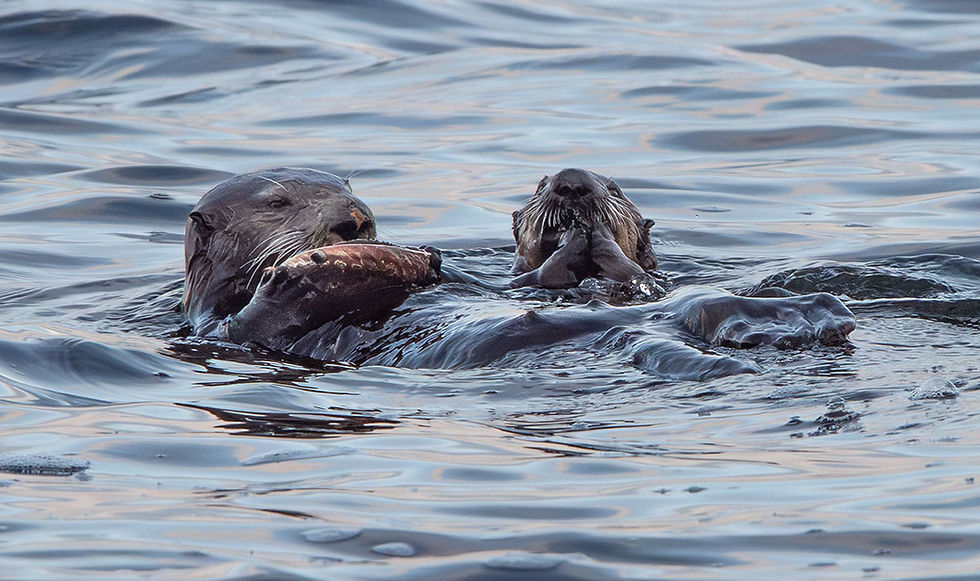
In addition, otter pups begin to eat solid food at around 2 weeks old, (sharing whatever their mother is having) like abalone, crab, mussels, sea urchins and fish.
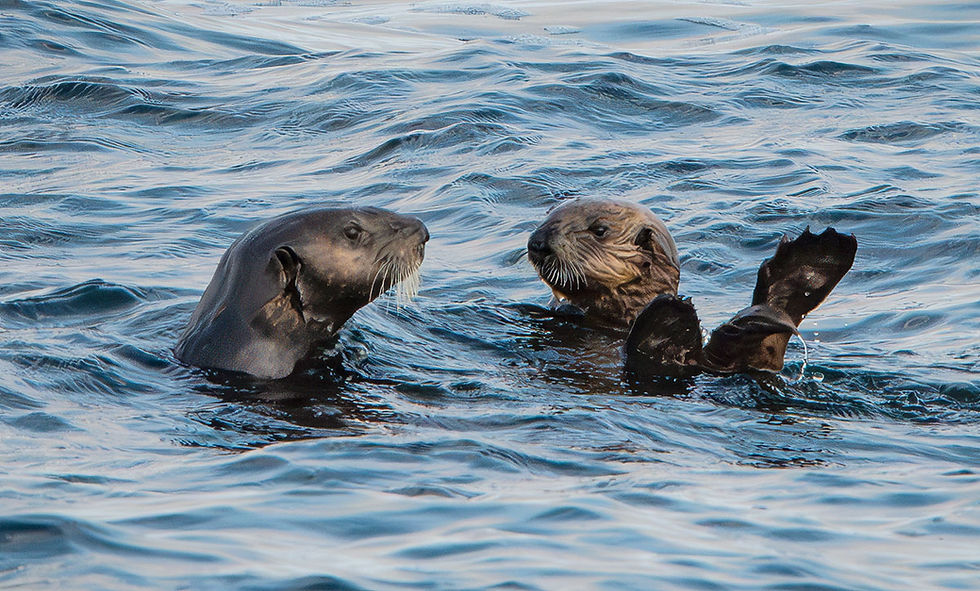
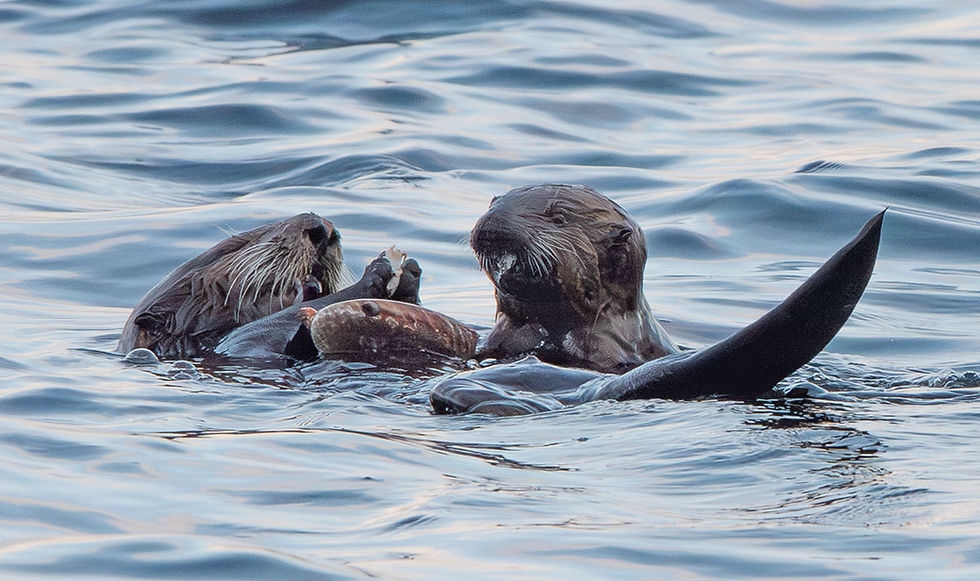
Mother Otters care for their pup, keeping its fur clean to ensure a healthy, buoyant-coat, and the moms teach the pups everything they need to know to survive, like best shell-cracking practices. The pup stays with its doting mother and begins to hunt along-side her at around 2 months old as its fur loses the baby-pup-buoyancy that has kept it from being able to dive. The pup is weaned by 6 to 8 months old but usually doesn’t venture very far from its mother for about a year.
Male Sea Otters don’t (usually) participate in raising the pups. Nature has its reasons, it’s been the way of The Sea Otter for well over a million years.
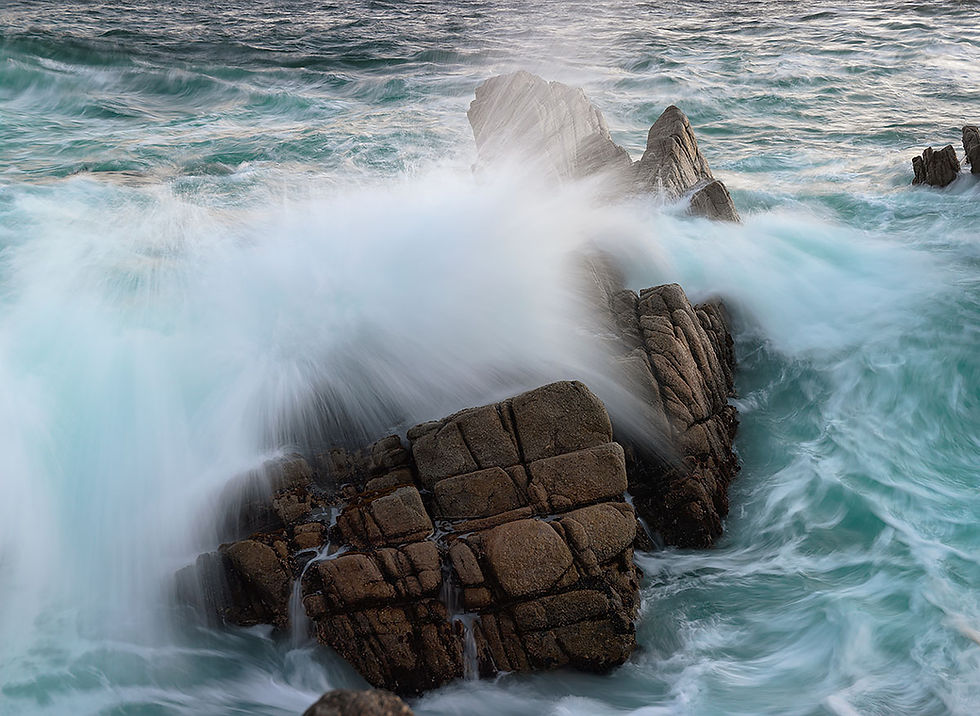
Frank enjoyed photographing this pup and its Mama one morning along the wild coast within the Monterey Bay National Marine Sanctuary boundaries.
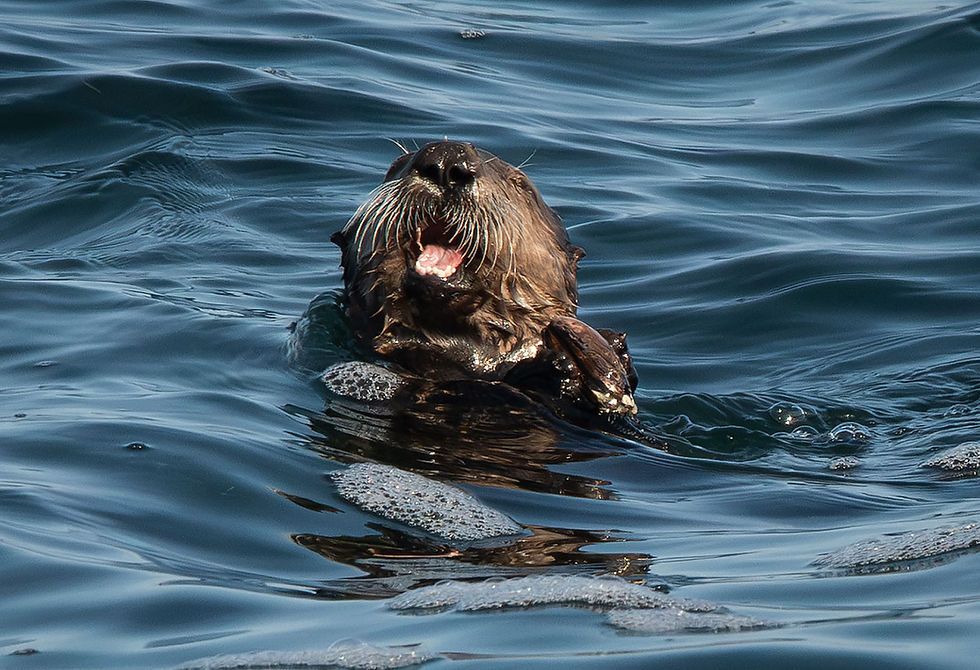
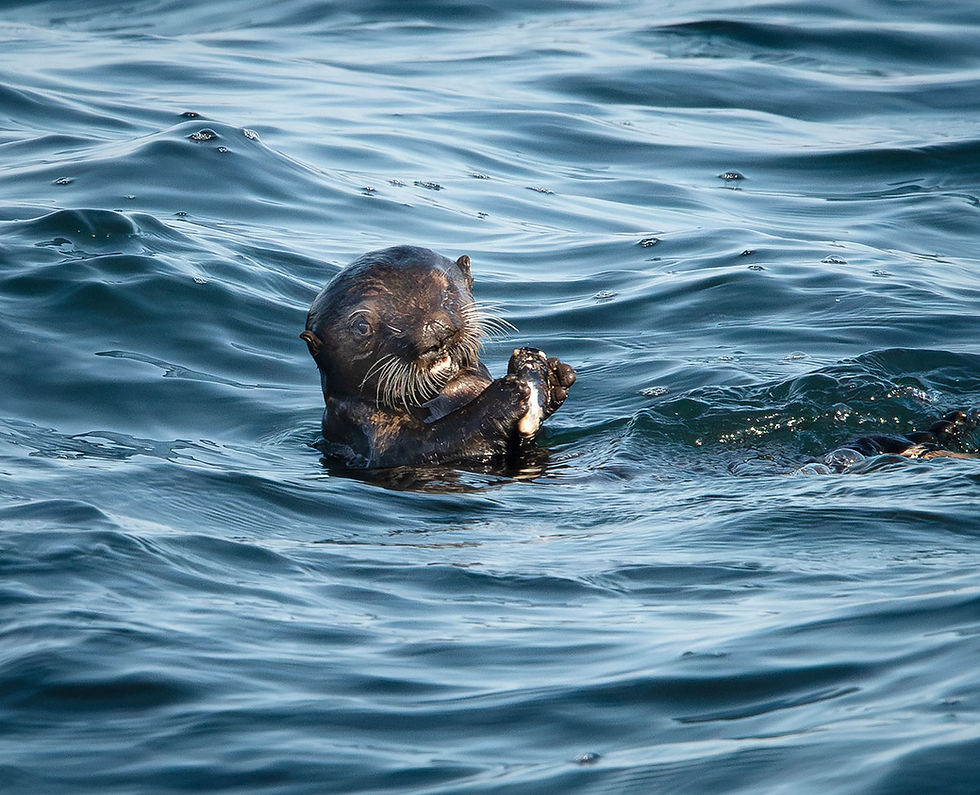
These waters and the creatures that live here are protected (federally) but also by volunteers and caring visitors.
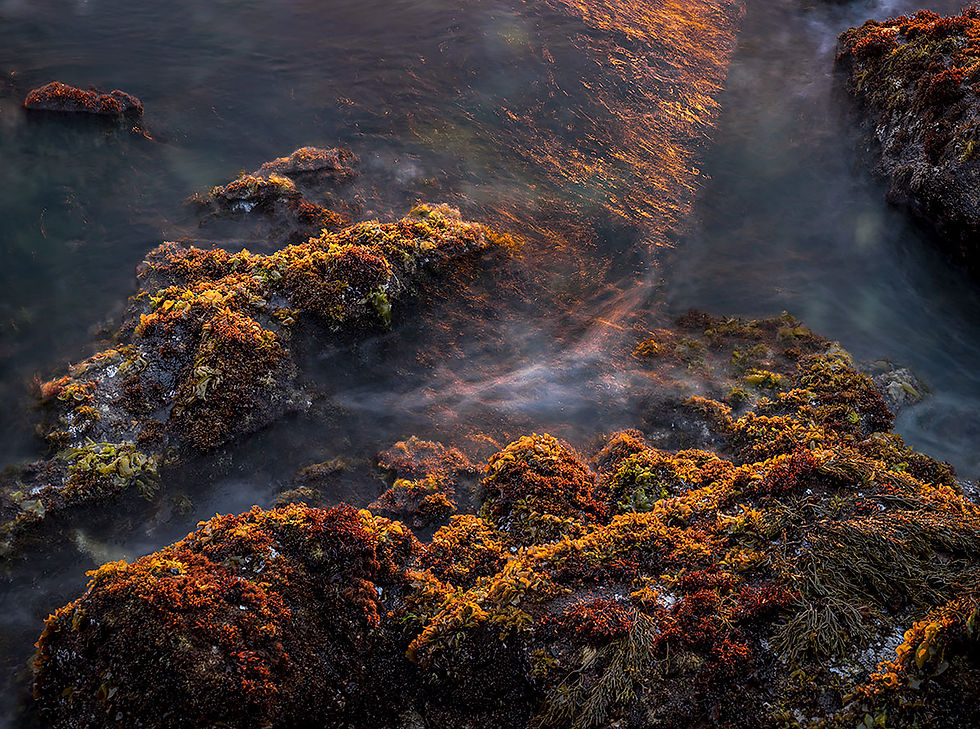
We’re so grateful for all of the people who have come together and work daily so that ocean life can thrive.
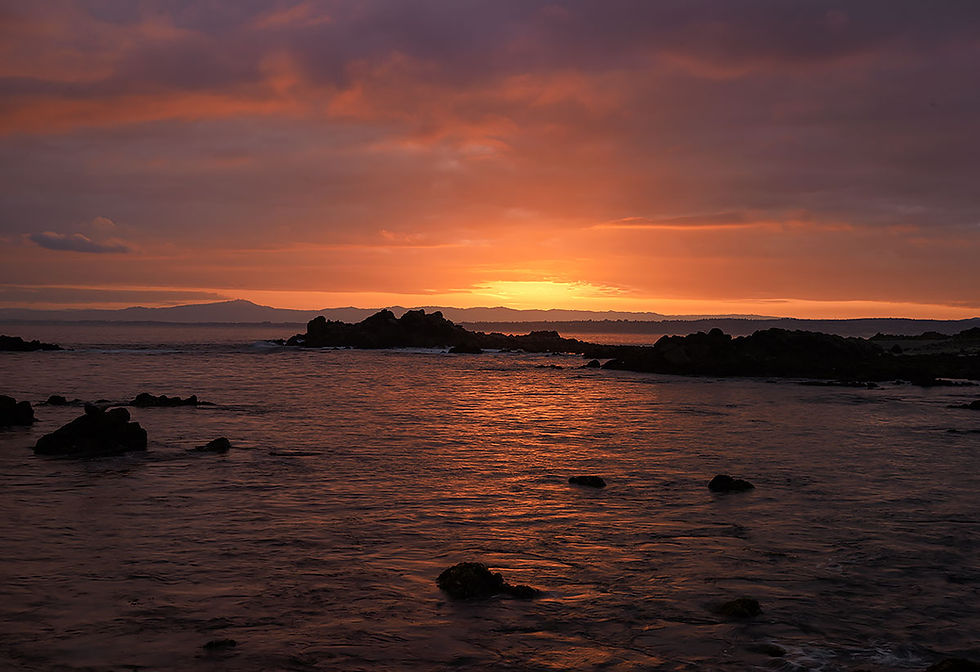
There are some incredibly tough situations in the world right now. Even when difficult things seem insurmountable, I believe that every caring, focused thought matters.
Please write to us, let us know how you are doing, we always enjoy hearing from you!
We join you in having hope for goodness sake.
Gently Be,
Leslie and Frank
PS: Here is the link to The Secret Life of Sea Otters: Guardians of the kelp forest
Pps: We are still collecting stories and images about Nature to post in a future blog/letter entitled, Nature Shares. If you’d like to participate, just let us know! It's easy to do and, yes, you may remain anonymous.


